GREAT FALLS, VA – Everyone deserves to feel comfortable, respected, and understood in the place they call home. For neurodivergent older adults, that support often requires a more personalized approach to daily life, communication, and engagement.
Today, autism in seniors and ADHD in seniors are discussed far more openly than they were decades ago. Many adults grew up in a time when autism or ADHD were rarely recognized, especially in those who learned to quietly mask their struggles.
Some seniors may have spent most of their lives feeling “different” without understanding why. Others built routines and coping mechanisms that helped them navigate life. However, those coping strategies can become harder to maintain during major life changes such as retirement, health challenges, or moving into assisted living. Open conversations about autism or ADHD in the elderly population have only recently become common.
These conversations are critical because they change how caregivers approach support. Behaviors that may appear rigid, distant, repetitive, or overly sensitive are often connected to how a person processes the world around them.
At The Residence at Colvin Run, we believe assisted living should adapt to the individual, not the other way around. We know that seniors with autism, who have ADHD, sensory sensitivities, or other forms of neurodivergence, can thrive when their environment supports the way they naturally experience the world.
Routine Can Create Comfort and Stability For Neurodivergent Seniors
For many autistic elderly people or those with ADHD, structure is deeply reassuring. Predictable schedules, familiar environments, and consistent daily rhythms can help reduce stress and create a stronger sense of emotional security. Even small changes in routine may feel overwhelming for someone who depends on stability to feel regulated.
That is why thoughtful assisted living communities place importance on consistency. We understand that families often wonder, “Does ADHD get worse with age?”. That’s why we design routines to support comfort without making residents feel restricted. Knowing what to expect throughout the day can help autistic elderly people feel calmer, more confident, and more willing to engage socially and emotionally.
Sensory-Friendly Spaces Make A Difference
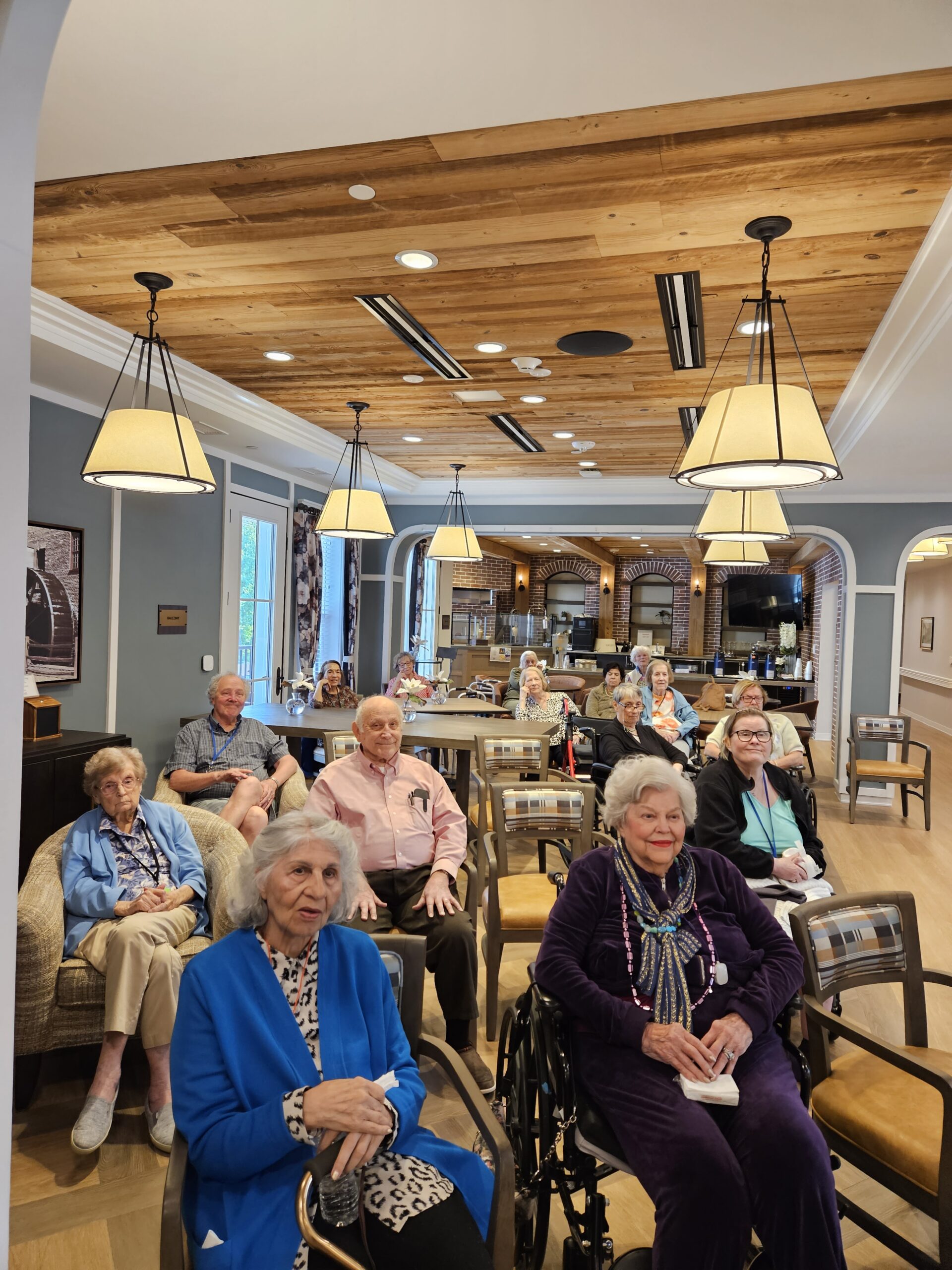
Senior living communities are often designed around social interaction and shared activities. While many residents enjoy lively environments, others may feel overstimulated by noise, bright lighting, crowded rooms, or constant activity.
Simple adjustments can make daily life feel far more welcoming for autistic elderly people, for example. Calm common areas, smaller activity groups, quiet outdoor spaces, and reduced sensory overload can help residents feel more relaxed and at ease.
When seniors feel physically comfortable in their environment, meaningful engagement becomes much more natural.
Engagement Should Reflect The Individual
Not everyone connects through the same activities. Some neurodivergent seniors may enjoy highly social events, while others prefer quieter hobbies that allow them to focus, create, or engage independently. The key is recognizing that participation does not always look the same for everyone.
A senior who loves art may feel happiest during creative workshops. Someone with a lifelong interest in music, trains, gardening, history, or puzzles may connect more deeply through those familiar passions. These interests are not simply hobbies; they provide comfort, confidence, and joy.
Meaningful activities become even more valuable when they help elders feel understood as individuals rather than treated as part of a routine schedule.
When evaluating a senior living community, it’s important to look beyond a general activities calendar and consider whether residents are encouraged to engage in ways that feel natural and personally meaningful to them. For seniors with autism, ADHD, or other neurodivergent traits, fulfillment may come through creative projects, smaller social settings, or structured routines that provide comfort and familiarity. The strongest communities recognize that connection looks different for everyone and create opportunities for residents to participate in ways that support confidence, individuality, and genuine well-being.
Understanding Different Communication Styles
Seniors with autism or ADHD may communicate differently with caregivers and fellow residents. Some may need more time to process information. Others may prefer direct communication or avoid prolonged social interaction. Certain neurodivergent elders may become overwhelmed in fast-paced conversations or unfamiliar situations.
Compassionate care begins with understanding these differences rather than trying to correct them. When caregivers adapt their communication style to each resident’s needs, trust grows naturally. Seniors feel more comfortable expressing themselves, participating in activities, and building relationships within the community.
Feeling understood can have a powerful impact on emotional well-being at any age!
How Assisted Living Can Help Neurodivergent Elderly
The best assisted living environments recognize that no two residents experience aging in the same way.
For neurodivergent seniors, individualized care can make the difference between simply living somewhere and truly feeling at home. Respecting routines, supporting sensory needs, encouraging personal interests, and communicating with patience all contribute to a better quality of life.
It Starts With Smooth Transitions
Change is hard for anyone, but for neurodivergent individuals, it can be especially challenging. So if you’re exploring senior care options, giving your loved one time and support to adjust before the move can make a meaningful difference.
You can read our guide to transitioning to assisted living, if you’re not sure where to start.
We believe every resident deserves care that honors who they are, how they communicate, and what helps them feel safe and connected, so if you’re looking for a senior living community in Great Falls, VA, contact us and schedule a tour.