Working in senior care, I’ve seen firsthand how small, thoughtful approaches can make a big difference in someone’s day. Using aromatherapy for seniors is one of those simple tools that can bring comfort, reduce stress, and create a sense of calm for older adults, especially those living with the challenges of aging.
Aromatherapy isn’t meant to replace medical care, but when used safely and intentionally, it can gently support emotional and physical well-being in ways many families don’t expect.
Keep reading and discover the benefits aromatherapy can bring to seniors, who can’t use it, and how you can integrate it into their routines.
Aromatherapy benefits for seniors
1. Helping reduce anxiety and tension
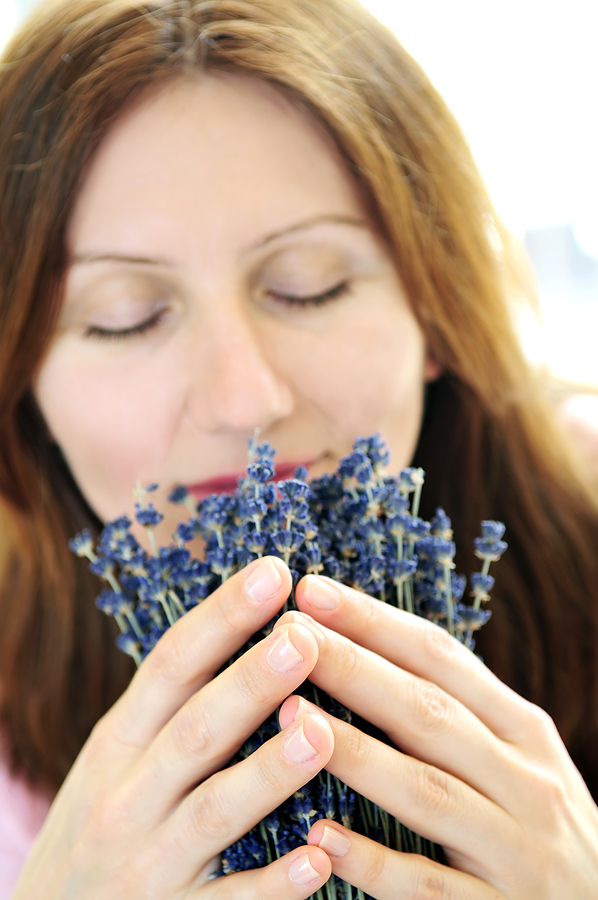
Many seniors face changes that can be overwhelming, such as new routines, health concerns, or memory loss. Soft scents like lavender or chamomile can help ease anxiety and create a soothing environment.
In common areas or during quiet activities, these calming aromas help residents settle, breathe more deeply, and feel more at ease.
2. Improving sleep
Sleep patterns often change with age, and for some people, nighttime restlessness becomes more frequent. Scents such as lavender, sandalwood, or bergamot can promote relaxation and help prepare the mind for rest.
Gentle aromatherapy in the evening, paired with a peaceful environment, can make bedtime smoother and more comforting.
3. Stimulating memory and emotional connection
Smell is one of the strongest memory triggers we have. A familiar scent can spark a positive memory or create a moment of connection.
For residents living with dementia or Alzheimer’s, these moments are incredibly meaningful. Aromatherapy for seniors can help open the door to emotional recognition.
4. Encouraging appetite
Some seniors lose interest in food or simply don’t feel hungry. One of the benefits of aromatherapy is stimulating the appetite. Bright, fresh scents like citrus or peppermint are perfect aromas for this.
Using them before mealtimes helps set a pleasant mood and gently encourages eating.
5. Discomfort relief
Aromatherapy can also play a small role in relieving discomfort from sore muscles or minor aches. Eucalyptus and ginger, for example, are often used to create a warming, comforting atmosphere.
This is an easy way to aid seniors in feeling better and more relaxed.
Who should avoid aromatherapy
While aromatherapy can bring a wide range of benefits, it’s not appropriate for everyone.
- People with diagnosed medical conditions. Certain conditions, like epilepsy, asthma, and some skin conditions, may make aromatherapy unsafe.
- People taking prescription medications. Even though many aromatherapy ingredients are natural, they can still interact with medication. Before integrating aromatherapy into your loved one’s life, it’s important to consult a doctor or healthcare professional.
At all times, remember that aromatherapy is a supportive practice, not a replacement for medical treatment.
How you can use aromatherapy at home
Aromatherapy can be simple to incorporate into a senior’s daily routine, as long as it’s done safely and thoughtfully.
Start small by introducing mild scents in low concentrations. Diffusers, scented cotton pads, or lightly fragranced lotions are often easy ways to begin. Make sure the space is well-ventilated, and always monitor how your loved one responds to each scent. Over time, you can adjust or switch aromas based on what seems to bring them the most calm, joy, or familiarity.
At The Residence of Colvin Run, we’re constantly looking for ways to make each day more comfortable and meaningful for our residents. Care is not just about tasks; it’s about comfort, dignity, and the small details that make life better.
If you’re exploring assisted living, memory care, or respite care for a loved one in Great Falls, Virginia, we’d be glad to talk with you about how we support residents in ways both big and small.